Apple's Foldable iPhone Draws Crowds and Sends the Stock to a Record
Apple's first foldable iPhone has drawn long lines and heavy demand at launch, and investors have responded by pushing the company's shares to a record high.
Key Points
- Apple's first foldable iPhone has drawn crowds and strong early demand at launch.
- The launch pushed Apple shares to a record high, adding to the company's market value.
- The device tests whether foldable phones can move from niche curiosity to a mainstream category.
Apple's first foldable iPhone has arrived to the kind of reception the company has not enjoyed in years: lines outside stores, heavy online demand and a stock price that climbed to a record as investors recalibrated what the iPhone's next era might be worth. For a product line often described as mature, the foldable launch has injected genuine novelty back into the iPhone story.
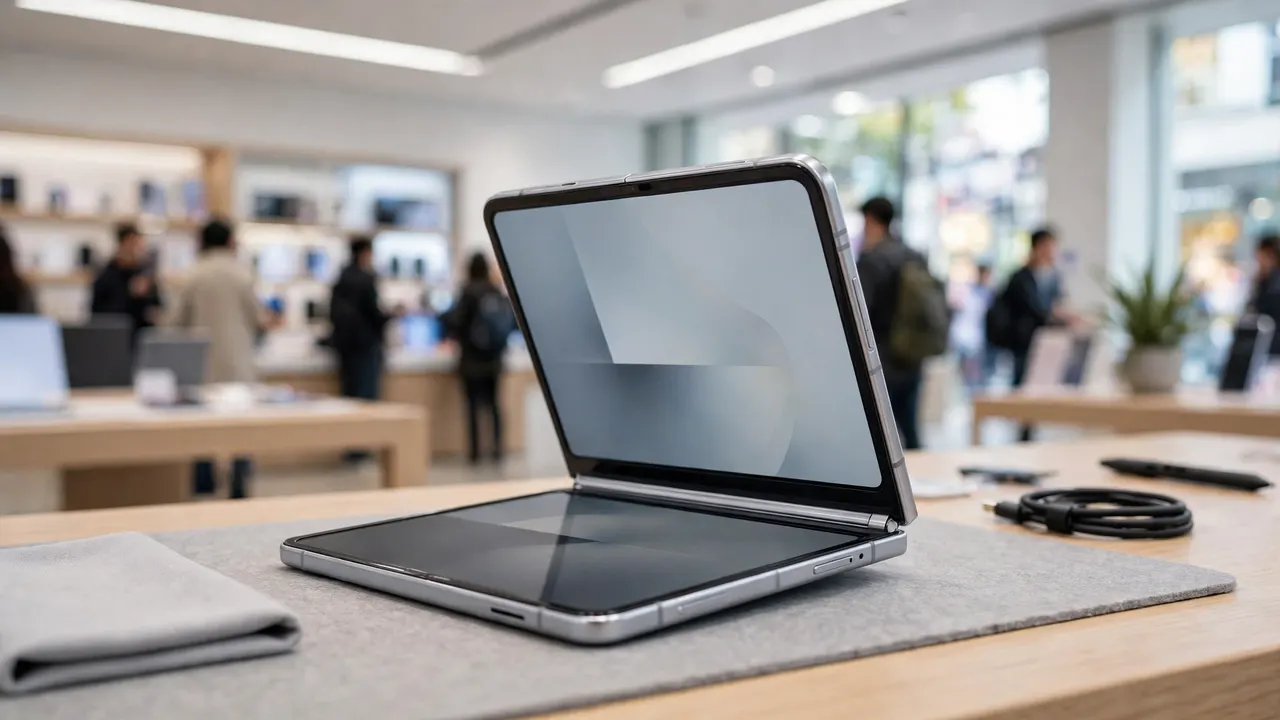
The device folds open to reveal a larger display, aiming to combine the portability of a phone with the screen of a small tablet. Apple arrived late to the category — rivals have sold foldables for years — but the company's history is full of categories it did not invent and then came to define, and the early crowds suggest its loyal base was waiting for Apple's version rather than switching to someone else's.
Why Wall Street Cares
The stock's record run reflects more than launch-weekend lines. Premium devices carry premium margins, and a foldable iPhone sits at the very top of the price ladder. If the category succeeds, it lifts the average selling price of the entire iPhone line, stretches the upgrade cycle in Apple's favor, and gives the company a fresh story to tell investors who have worried that the smartphone era is running out of room to grow.
There are real questions inside the optimism. Foldable devices cost more to make, and their screens and hinges face durability scrutiny that slab phones escaped long ago. Sustained demand matters more than a spectacular first weekend: the industry's history is littered with novel form factors that sold briskly at launch and faded within a year. Whether the foldable becomes a durable pillar or a profitable sideline will be decided over the next several quarters, not the first one.
The Bigger Stakes
The launch also lands in the middle of a industry-wide argument about what comes after the smartphone slab. Artificial intelligence features, wearable devices and now foldable hardware are all competing to define the next personal-computing platform. Apple's move signals that it sees folding hardware as part of that future — a bridge between the phone in your pocket and the tablet it might replace.
For now, the verdict from both customers and the market is unusually aligned: crowds in the stores, a record on the stock chart. The harder test — whether the fold becomes as ordinary as the phone itself once was — starts now.
The Durability Test
Every foldable carries the same engineering wager: that a screen designed to bend thousands of times will keep doing so gracefully for years, and that a hinge can survive pockets, drops and daily life. Manufacturers have improved the technology dramatically since the first fragile attempts, but a foldable remains a device with moving parts in a category that trained consumers to expect none. How the new iPhone ages — in reviewers' long-term tests and in ordinary users' hands — will matter as much to the category's future as the launch queues did.
Supply will be the other early indicator. If wait times stretch, it will signal demand outrunning production; if shelves stay full, skeptics will ask whether the crowds were curiosity rather than conviction. Either way, Apple's entry has already changed the foldable market's center of gravity. Competitors who defined the category now have to defend it against the company with the deepest pockets and the most loyal customers in the industry — and the rest of the industry will be reading the results as a verdict on where personal devices go next.
Sources: Bloomberg and Reuters reporting. Reporting by The American Brief Newsroom. If you see an error in this story, see our Corrections Policy.