Obama Returns to the Campaign Trail, Urging Voters to Rein In Trump
With days left before the November 3 midterms, the former president is stumping for Democratic candidates in New Jersey and Virginia, arguing the election is a referendum on the direction of the country.
Key Points
- Former President Barack Obama is campaigning for Democratic candidates ahead of the November 3 midterm elections.
- His message urges voters to check President Trump's agenda by strengthening Democrats in Congress and in governor's mansions.
- Stops include New Jersey and Virginia, where closely watched governor's races headline this year's ballot.
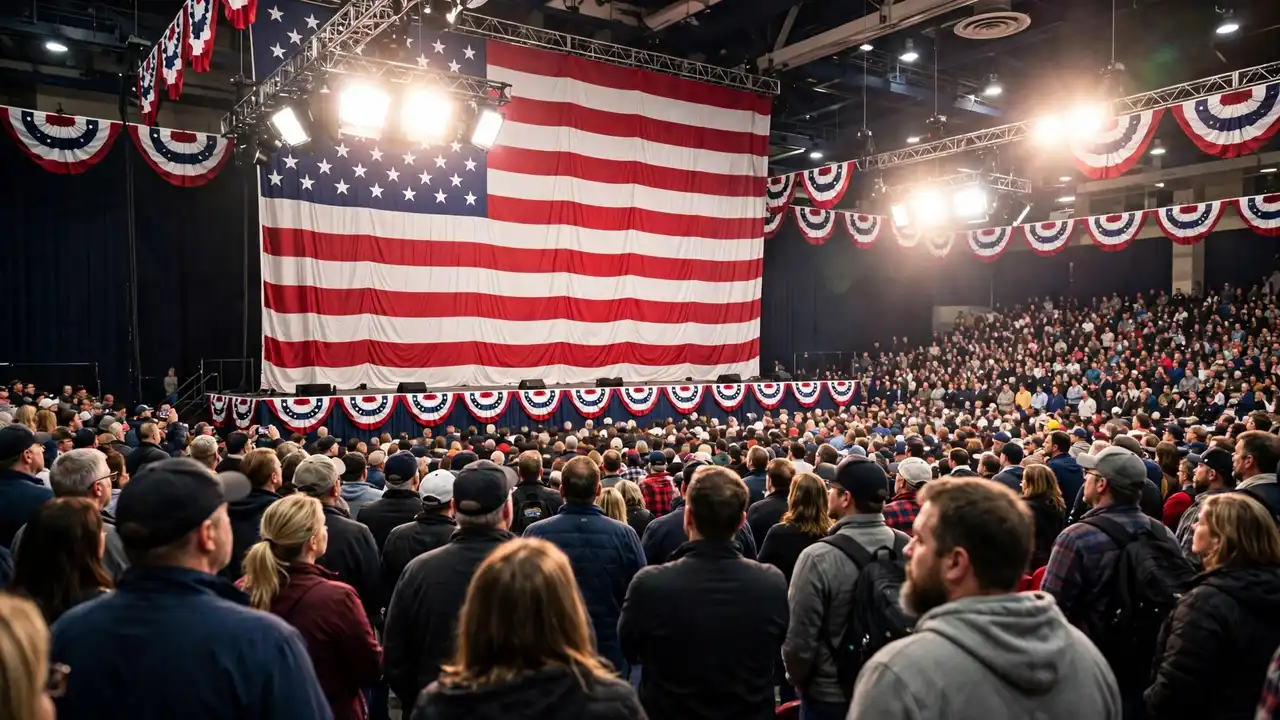
Former President Barack Obama has returned to the campaign trail in the closing stretch of the 2026 midterm elections, lending the Democratic Party its most popular surrogate at a moment when control of Congress and a slate of governorships hang in the balance. With Election Day set for November 3, Obama is appearing alongside Democratic candidates and urging voters to treat the midterms as an opportunity to rein in President Donald Trump's agenda.
The appearances mark a familiar rhythm in American politics: a former president re-emerging in the fall of a midterm year to energize his party's base. For Democrats, Obama remains a singular draw — a figure who can fill arenas, dominate local news coverage and, party strategists hope, persuade infrequent voters who might otherwise sit out a non-presidential election to cast a ballot.
A Message Built Around a Check on Power
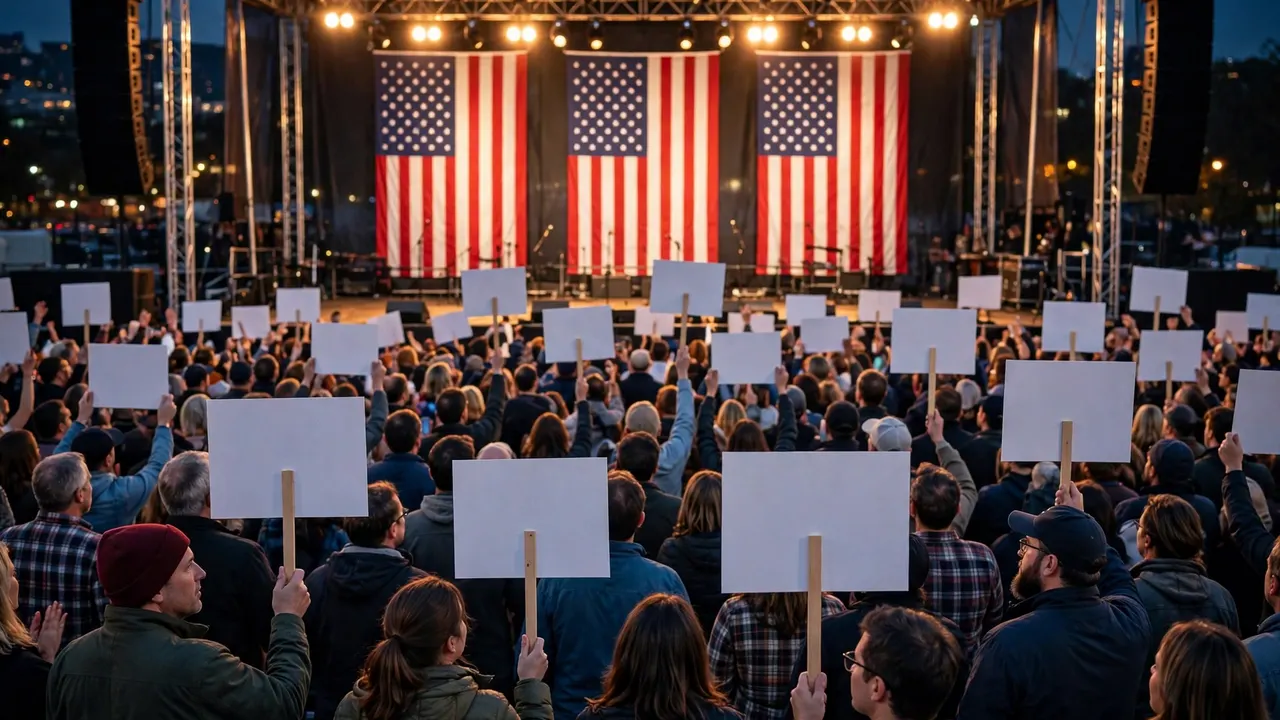
Obama's pitch, as he has delivered it on the trail, centers on the argument that midterm elections exist precisely for moments like this one: to give voters a chance to register their judgment on a sitting president's direction and to install a meaningful check on his power. He has urged supporters not to treat the election as a foregone conclusion, warning that outcomes in close congressional and gubernatorial races will come down to turnout in the final days.
The argument is aimed squarely at the voters Democrats most need — younger voters, suburban voters and those who turned out in presidential years but often skip midterms. Early voting is already underway in much of the country, and both parties are racing to bank votes before Election Day. Democrats believe a high-profile closer like Obama can help convert enthusiasm into actual ballots, particularly in districts where margins are expected to be measured in hundreds of votes.
New Jersey and Virginia Take Center Stage
Among Obama's stops are New Jersey and Virginia, the two states holding marquee governor's races this cycle. Those contests are being watched nationally as early indicators of the political mood heading into the next presidential cycle. A governor's race carries weight beyond state policy: governors influence redistricting, election administration and the machinery of politics in their states for years to come.
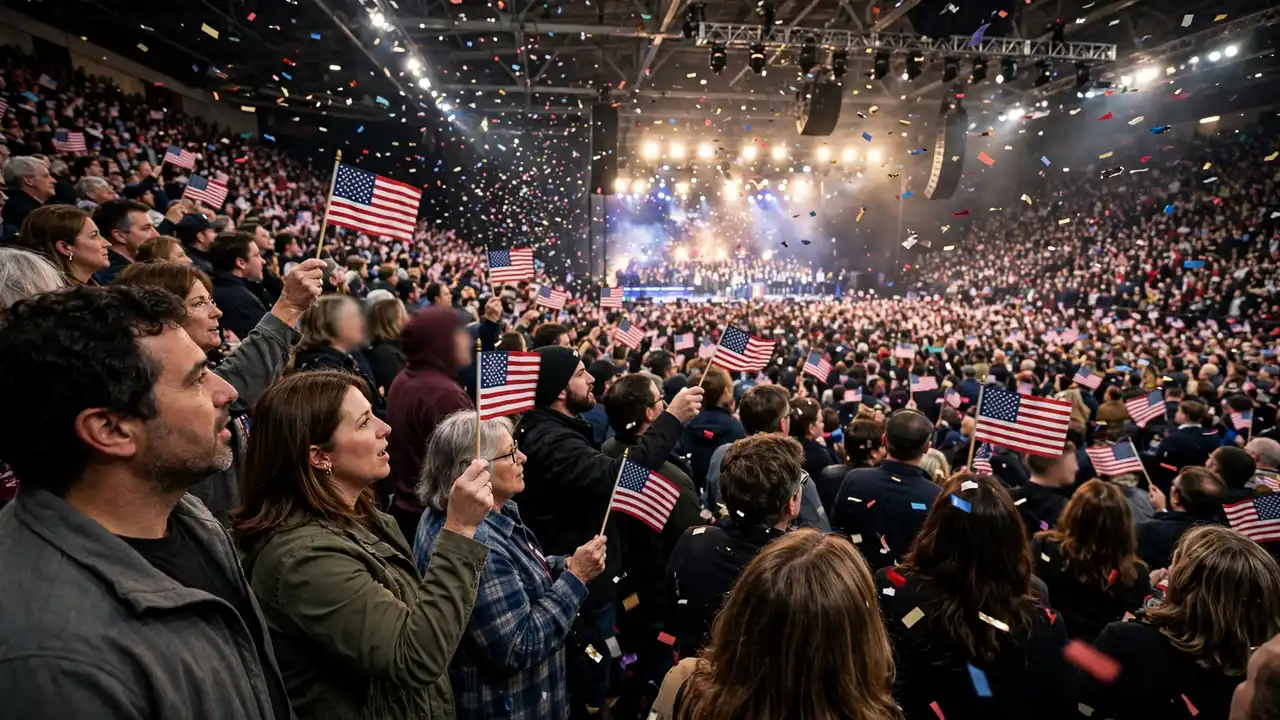
Republicans, for their part, have dismissed the former president's re-emergence as a sign of Democratic anxiety, arguing that voters will judge the midterms on the performance of the current administration rather than on the appeals of a past one. The White House and Republican candidates have countered with their own closing arguments, and President Trump himself has been a frequent presence on the trail in support of his party's candidates.
What is not in dispute is the stakes. The midterms will determine control of the House and Senate, the fate of the president's legislative agenda for his remaining time in office, and the balance of power in state capitals across the country. In that environment, both parties are deploying every asset they have — and for Democrats, few assets are bigger than Barack Obama in the final days of a campaign.
The Pattern of the Final Stretch
Obama's schedule in the campaign's final stretch follows a deliberate pattern: appear where his presence can move the largest number of persuadable and base voters at once, raise money and attention for candidates in races rated as toss-ups, and dominate a news cycle that might otherwise belong to the president. Former presidents have limited ability to change a campaign's fundamentals this late — but in races decided by a point or two, a single crowded rally, a well-timed interview or a surge of early votes in one county can be the difference between a narrow win and a narrow loss.
Sources: Reuters. Reporting by The American Brief Newsroom. If you see an error in this story, see our Corrections Policy.